

Introduction
With the increasing pace of hiring in the digital hiring industry, organizations must identify top candidates in an efficient timeframe. Organizations sift through numerous applications and resumes, a process that can be tedious and time-intensive.
Furthermore, job advertising websites are overwhelmed with data, and thousands of candidates are actively seeking employment. Recruiters must now act with urgency and precision, which requires support from data.
Collecting candidate data manually from alternative sources is outdated and labor-intensive; therefore, job portal scraping is a more effective solution. Scraping, or data extraction, is the best option to make hiring quick, efficient, and easier. Job portal scraping will enable recruiters to gather candidate data automatically and efficiently.
Recruiters can receive structured candidate data in real-time, directly from web sources such as LinkedIn, Indeed, and Glassdoor. The job portal scraping process enables recruiters to receive structured data in real-time directly into their talent acquisition system, eliminating the manual aspects of sifting through multiple job portal postings.
This blog will explore how job portal scraping enables recruiters to quickly and effectively identify high-quality candidates. Whether you operate at an HR tech company, staffing agency, or as part of an internal team, we will provide comprehensive details about the job portal scraping process and how it can help reduce your time-to-hire while offering valuable insights into your candidate pipeline.
Understanding Job Portal Scraping
Recruiters require vast amounts of candidate information to be collected and managed effectively without spending excessive time on manual work. Job portal scraping is a significant answer to that need.
Job portal scraping is the automated extraction of structured data from job boards, professional social networking sites, and resume databases. Recruiters can then use scraping tools to extract this detailed data, including information selected from profiles—a name, title, location, skills, work experience, education, etc.—instead of manually parsing through many dozens or even hundreds of profiles. Job boards, such as LinkedIn, Indeed, Glassdoor, Monster, and others, can elicit a wealth of data by using a scraper to extract information about candidates.
Once job portal scraping has been set up, the entire process involves web crawlers or bots that automatically process web pages, identify data fields, and extract them into organized formats (such as CSV, JSON, or API feeds). Recruiters can then receive real-time updates and high volumes of datasets ready to be plugged into their Applicant Tracking Systems (ATS) or customer relationship management platforms.
While job portal scraping regularly digests’ messy’ or unstructured data from the Internet, recruiters can use tools to fit the unstructured data into structured data. The process significantly reduces time, minimizes human error, and empowers recruiters to identify suitable candidates more effectively when reviewing thousands of resumes. Most importantly, it will reduce the time required to select, arrange, and identify talent.
Why Recruiters Are Turning to Data Extraction
The recruitment industry has changed tremendously. Given the immense pressure to find the best talent as fast as possible, recruiters are utilizing data extraction as a tool to help them tackle the modern-day hiring challenges. Your average recruiter, whose strategy is to view job boards, scroll through headshots and resumes, and wait for applicants, struggles to grasp the urgency of investing time in recruiting talent these days, especially as competition for talent intensifies.
When a recruiter is sourcing candidates and continually has to click through new pages and sift through candidates to find the right applicant, it is essential to recognize that there could be significantly better and faster options. No more manual sourcing and clicking to see a resume that matches your criteria!
With data extraction (job portal scraping), the need to use manual sources is gone when you have uncapped access to limitless candidate databases (and now!). You can set parameters and extract the information you want quickly, including skills, job titles, experience levels, locations, etc. You have the freedom to do targeted outreach to your candidate pool and shortlist the options faster than ever.
Recruiters also need real-time data today. The scraped data provides insight into who is actively seeking a new job, who has recently updated their profile, and who is currently hiring. All of this seamless data flows into more innovative and more proactive hiring and workforce planning.
With the ability to extract job data from multiple portals simultaneously, recruiters can create larger talent pools while locating passive candidates who may not be actively searching job boards or actively seeking a new role.
How Data Extraction Reduces Time-to-Hire?
One of the most significant benefits of job portal data scraping is that it can significantly speed up the hiring process, which is crucial for recruiters and HR teams. It also helps identify problems in traditional hiring methods, such as outdated lists, repetitive checks, and scattered candidate location information.
Recruiters might spend countless hours scrolling through job boards, copying information, and filtering candidate profiles. Data scraping automates the entire process from sourcing to screening. Scraping tools can extract hundreds, sometimes thousands, of candidate profiles in a matter of minutes. Cloud and browser scraping tools can filter their data based on specific criteria in your job descriptions, such as skills to include or exclude, location, job title, or years of experience. That way, instead of wasting valuable hours on irrelevant applications, recruiters get a pre-filtered list of pre-qualified candidates to reach out to.
Real-time scraping also enables recruiters to access the most up-to-date and accurate candidate information. They can also avoid stale follow-ups based on resumes that their candidates have submitted weeks or months before! Some scraping tools even integrate with ATS functionality, so recruiters can manage their hiring pipeline seamlessly or automate engagement workflows to keep candidates informed.
By eliminating the manual steps that contribute to slow recruitment, these tools not only provide a faster route to quality leads but also help reduce the time spent on the hiring cycle by days, weeks, or even months. This results in the faster monetization of vacant roles, the reduction of costs associated with slower recruitment, and a competitive advantage over other companies vying for the same top-talent candidates.
The Benefits of Data Extraction in Recruitment
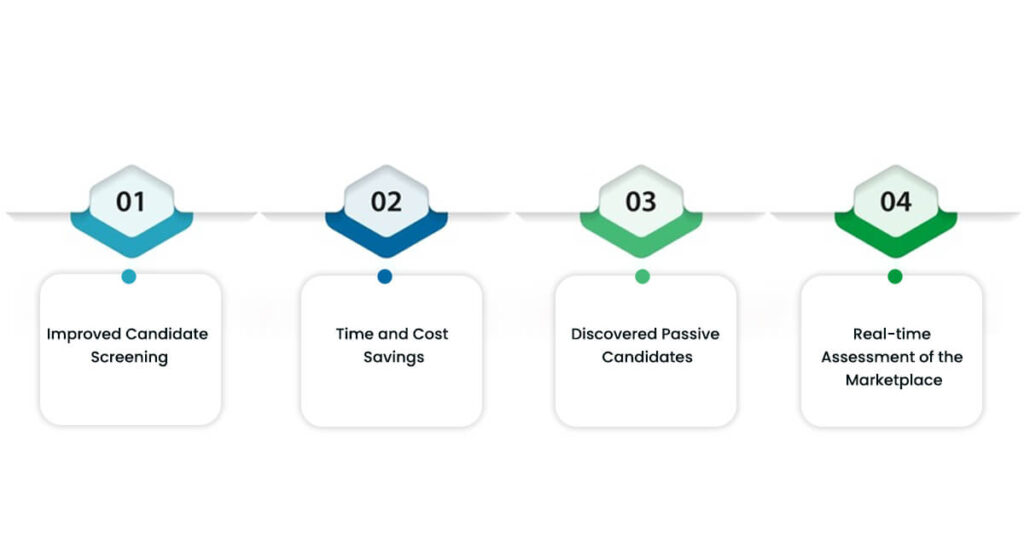
- Improved Candidate Screening
With the automated extraction of data from applicant tracking systems, recruiters now have a comprehensive view of the candidate’s profile, work experience, education, and skills. This information enables recruiters to conduct a targeted screening process, helping to narrow down candidates who meet the job requirements.
- Time and Cost Savings
The job portal scraping process saves time by eliminating the need for manual review of candidate applications. Recruiters can free up their time to reassign it to top candidates. Therefore, this is an excellent solution for staffing agencies as well, as it consolidates their vacancies and minimizes costs by alleviating administrative work.
- Discovered Passive Candidates
In a traditional recruitment process, recruiters typically screen active job candidates. Through scraping and extracting data from job portals, recruiters now have the opportunity to screen disposable candidates who may not have directly applied for the job. Because these candidates are not actively looking for work but are receptive to job opportunities, they are often favorable candidates due to the skills and experience the employer is looking for.
- Real-time Assessment of the Marketplace
The use of data extraction from job portals provides recruiters with the opportunity to identify current industry trends and assess the availability of talent. By using the extraction process, companies can analyze the hiring landscape.
Real-Time Use Cases of Job Portal Data Scraping
Job portal scraping is not a one-size-fits-all solution. It is adaptable and applied across nearly any industry and recruitment need. Businesses of all scales and sizes, from startups to Fortune 500 companies, all leverage scraped data to make hiring more efficient and competitor-proof.
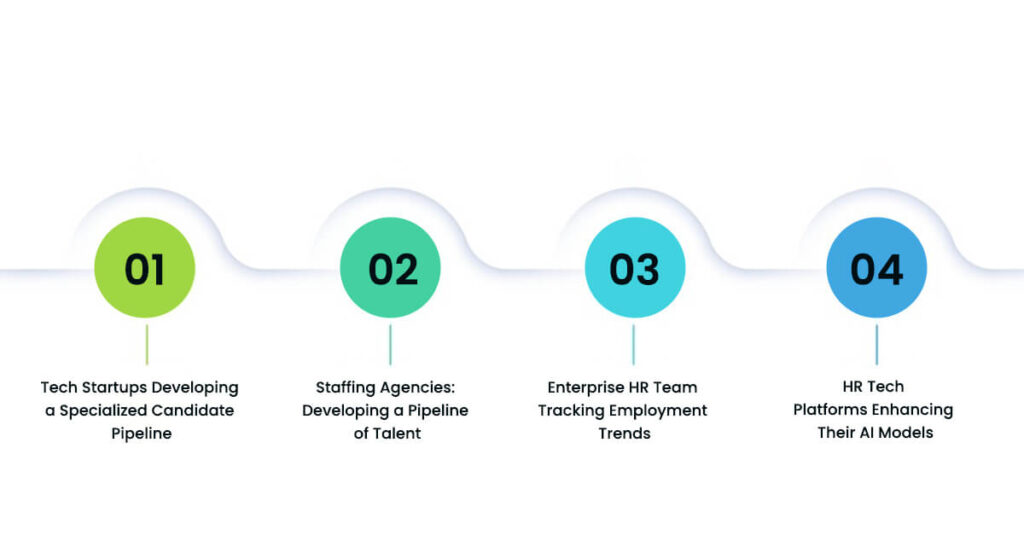
1. Tech Startups Developing a Specialized Candidate Pipeline
A SaaS company requires Python developers with experience in Django and AWS. By scraping GitHub, Stack Overflow, and LinkedIn, they can identify developers based on their areas of expertise, contributions to their profession, or geographic location, which streamlines the recruitment process by allowing them to contact qualified individuals.
2. Staffing Agencies: Developing a Pipeline of Talent
Staffing and recruiting firms scour job boards (such as Indeed and CareerBuilder) for resumes and then download them in bulk. Hiring managers do not care where the resume comes from. Hiring managers want resumes for a particular domain (e.g., IT, healthcare, finance) stored in one place, so that when a client comes along to place someone, they can access resumes quickly.
3. Enterprise HR Team Tracking Employment Trends
A large corporation may scrape job postings from competitors as a means of identifying their hiring behaviours, trends/geographic growth, and compensation references. That is critical information for workforce planning and budgeting.
4. HR Tech Platforms Enhancing Their AI Models
Many AI-based recruitment platforms access candidate data from scraped sources to develop better or faster job-matching algorithms, recommendation engines, and predictive analytics.
From the above examples, you can see that job scraping not only provides speed in obtaining resumes for candidates but also provides intelligence for recruitment success.
What Are The Ethical Considerations and Best Practices?
While scraping job board data can provide significant value, it must be approached ethically to avoid manipulating the system and compromising its integrity. A firm should comply with all relevant laws around data privacy and copyright. Here are some best practices to keep in mind:
- Respect the privacy of users: Ensure your scraping process is compliant with data protection legislation and that you do not collect or misuse personal data.
- Check the terms of service: Familiarize yourself with the job portal’s terms of use to ensure compliance when extracting data.
- Transparent communication: Ensure candidates understand how their information will be used and provide them with the option to opt out if they choose.
Integrating Scraping Tools with Recruitment Systems
Connecting scraping tools with recruitment systems, such as ATS or CRM solutions, will allow your candidate data to flow seamlessly into your existing workflow. Instead of having to extract data from scraped information and transfer it manually, all key information is inserted into your hiring system in real-time. That could include, but is not limited to, skills, job titles, and contact information.
The process saves not only manual work but also increases the accuracy of data, thereby reducing the time it takes to respond to candidates. API-based, or a data flow, allows changes to be made to your candidate’s workflow through custom workflows, such as alerting recruiters, filling pipelines, or filtering candidates based on chosen criteria.
When everything is integrated and meets its standards, recruiters can act upon insights immediately and automate repetitive tasks, allowing them to spend more time making decisions, thereby making the entire process faster, more innovative, and more strategic.
The Future of Recruitment Data Extraction
With the continued advances in technology, the methodology for businesses to find and engage talent is also evolving. Data is becoming increasingly relevant in recruitment, and with the influence of machine learning and artificial intelligence (AI), it enables recruiters to expedite the data collection process, accurately match candidates to jobs, and support recruitment teams in making data-driven decisions.
Data extraction from candidates in recruitment is evolving from simple data scraping to the development of candidate data platforms that provide comprehensive data extraction and meaningful data interpretation, enabling fast and effective hiring. AI algorithms have progressed significantly beyond candidate resume screening. They can now also analyze and track evolving patterns in candidate behavior, including skills, job trends, predictive job change probabilities, as well as identify roles with high candidate turnover. Recruiters can even qualitatively and quantitatively indicate the leading talents and locations of candidates, with speed and focus.
The future of recruitment will also involve data pipelines built into recruitment platforms, ensuring that significant speed and user experience benefits are realized through real-time data. In recruitment, these data pipelines will incorporate real-time updates on candidates, job posting engagement, and labour market trends. They will also make the data available in easy-to-use dashboards, along with enhanced data visuals such as heatmaps and filters.
The accessibility and transparency, combined with advanced real-time data-gathering capabilities, will prompt companies to consider the ethical use of candidate data. The recruitment of the future will be heavily influenced by being socially responsible, with a focus on privacy compliance, making information publicly available, and ensuring consent-driven data transactions.
Ultimately, data extraction in recruitment is becoming more innovative and integrated, and is also designed for human use. The future will focus on how organizations will search for, attract, and hire talent.
Conclusion
By extracting and automating data from job boards, professional networks, and resume databases, recruiters can then gather more accurate data on candidates and have wider access to better candidates, while also decreasing time-to-hire.
The uses of scraped job data are endless, including finding passive candidates, tracking industry sentiment, and feeding AI-enabled recruitment tools, among others. Nonetheless, the most significant benefit we have outlined, and the most crucial, is how this is done ethically, deliberately, and efficiently. Therefore, it is essential to select the most suitable partner.
At X-Byte, we deliver the latest technology, backed by a consistent commitment to compliance, data privacy, and customization. We help recruiters leverage the full potential of job portal scraping by providing clean, structured, and actionable data to support their specific hiring needs.
If you are looking to take your recruiting strategy to the next level, reduce operational friction, and gain a competitive advantage, X-Byte is your trusted partner. Let us help you transform complex web data into straightforward hiring decisions, quickly, ethically, and at scale.
 ✯ Alpesh Khunt ✯

Related Blogs
The Role of Data Annotation in Large Language Model Training and Performance
How Web Scraping Is Used to Extract eCommerce Data From eBay