

Introduction
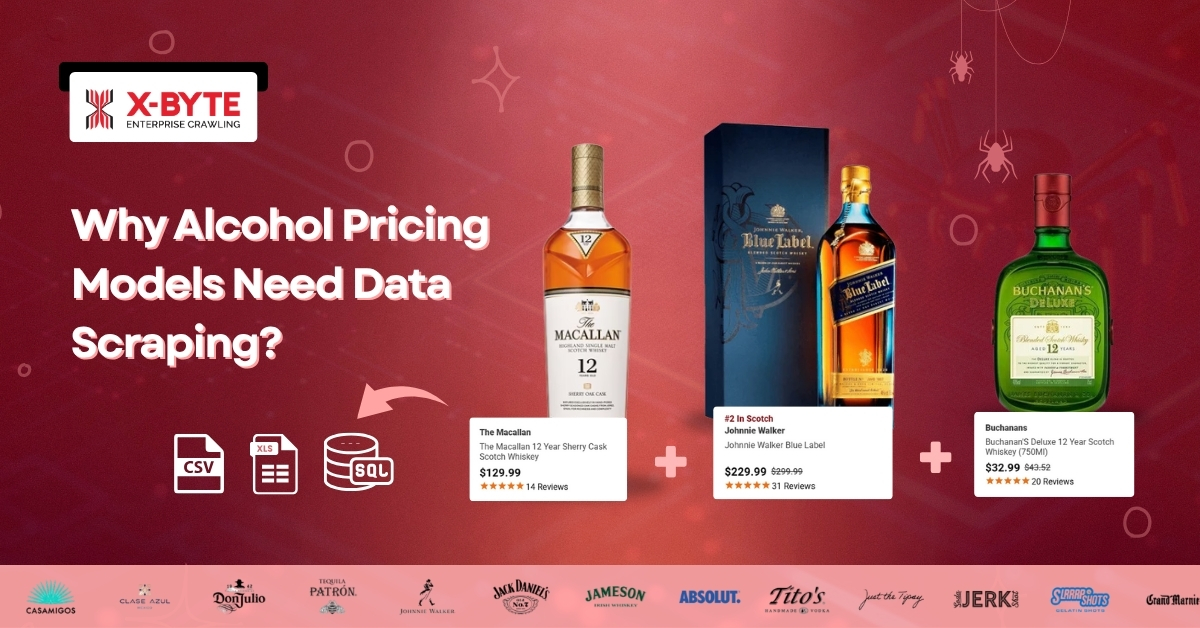
In today’s fast-changing, competitive, and highly regulated alcohol industry, pricing is both an art and a science. The risks are enormous if brands, distributors, retailers, and bars do not price correctly; the global premium alcoholic beverage industry is set to grow from $467.4 billion in 2025 to $1,115.6 billion in 2035 at a CAGR rate of 9.1%. There is only so much profit to be made, and companies must price in a way that maximizes their profit while remaining compliant and maintaining or growing their market share.
However, with every changing variable, fluctuating input costs, regional pricing, tax changes, and dynamic online and offline competitors, the techniques used to set prices operationally are falling behind the pace of change. With the introduction of data scraping, meaning extracting real-time data about how alcoholic beverages are priced digitally and systematically automating that data, we have much better opportunities to create dynamic, competitively relevant, data-driven pricing models for the alcohol sector.
This blog will highlight the importance of data scraping in modern alcohol pricing, presenting key statistics to support this, and demonstrating how companies are now utilizing data scraping to inform their pricing strategies.
The Complexity of Alcohol Pricing
Multiple Pricing Drivers
- Supply Chain Costs: The sector is working through usual supply constraints, but input costs are soaring: barley costs are up 33% in a year; aluminum costs have doubled since 2020; and many suppliers have massive logistical and freight cost increases (80% in 12 months).
- Inflation: Alcohol producers worldwide, particularly in countries like India, are facing historic inflation levels that now exceed 15.1%. At the same time, state price control remains unchanged, so producers can’t pass on costs to consumers, which is significantly squeezing their margins.
- Regulatory Cost: Alcohol taxes typically consist of excise taxes and sales taxes, which add approximately 50% to the retail price, vary significantly, and are dependent on the state or regional level.
- Competitive Landscape: Bars and stores compete for consumers, who have become increasingly price-sensitive due to the rapid growth of e-commerce and marketplaces, which has occurred virtually overnight.
Price Elasticity and Consumer Behavior
- Alcohol is sensitive to price. A systematic review found that the price elasticity of demand is -0.5 for beer, -0.79 for wine, and -0.80 for spirits, indicating that a 1% price increase results in a consumption reduction of 0.5-0.8%.
- While alcohol is 70% cheaper than it was in 1980, like tobacco, the number of people drinking alcohol harmfully has vastly expanded. It has created pressure from public health lobbies to use taxes to raise prices.
Regional Price Variability
- In India, state laws regulate the price of alcohol; therefore, you can find differences in pricing within the country. Differences are becoming more pronounced in international prices as well, as online and offline pricing models enable promotional pricing to transition into dynamic pricing.
The Traditional Approach: Its Shortcomings
- Static Price Books: Many retailers and wholesalers still use price books that require manual updates, which are generally obsolete in rapidly changing markets.
- Manual Competitor Research: The business will review a select small handful of competitor pricing in the wild and may occasionally incorporate infrequent “mystery shopping,” which has fallen behind daily and hourly online pricing and price changes from competitors online.
- Old Tax/Costs Data: When an organization is waiting for reports on changes in excise, outgoing costs, and competitor pricing, the reports are typically not available on the same day and in the same hour an opportunity presents itself; every day lost is an erosion of potential margins.
For example, in most bars and restaurants, the average pour cost (which benchmarks the ratio of ingredient costs to sales price) is recommended to target an average cost of 20% to maintain margins. The organization has no way of knowing about changes that would affect its price point and competitive pricing. They could easily price themselves out of business by pricing themselves too low or driving consumers away by pricing themselves too high.
The Data Scraping Revolution
What Is Data Scraping?
Data scraping is conducted using automated software (bots) to extract curated, live information from websites, e-commerce sites, databases, and other sources. About the alcohol industry, business data is comprised of:
- Competitor pricing for e-commerce sites
- Promotion, discount codes, flash sales
- Stock availability, regional assortment
- Tax and regulatory information
- Consumer reviews and demand trends
The Increasing Data Scraping
- The global web scraping services market was valued at $2.3 billion in 2020 and is forecasted to reach $12.7 billion by 2030, as nearly 60% of data practitioners are expected to have used a web scraping service at least once for price intelligence. For financial professionals, 45% of all use web scraping to support pricing decisions.
Why Alcohol Pricing Models Need Data Scraping
1. Real-Time Competitive Intelligence: Real-time pricing intelligence enables businesses to track thousands of products alongside their regional competitors, rather than just a few products and competitors. Companies can react in real time to their shipping competitors.
- Dynamic Price Adjustment: As part of pricing software, scraped data can serve as the basis for repricing in almost real-time according to a competitor’s pricing.
- Take this as an example: Imagine a retailer is monitoring prices for 10,000+ SKUs across multiple regions/markets. The retailer can easily undercut or match its relevant key SKUs to optimize across various dimensions, including gross profit margins and conversions, thereby avoiding being “priced out” if a competitor offers a flash sale.
2. Hyper-Localized Pricing
- Pricing in adult beverages is very regional. With web-scraped data, businesses can identify and adjust hyper-local regional pricing gaps created by taxes, financing, promotions, or outages.
- For example, a company may notice that its whiskey is 12% higher in Mumbai than in Bangalore, where a competitor might be running a silent promotion or offer, leading to a regional market share advantage.
3. Inflation Monitoring and Input (Location) Cost Adjustments
- With the wild fluctuation in supply-side inflation costs and inputs, pricing costs could and will evaporate in the blink of an eye if businesses don’t monitor immediately moving costs to the shelf.
- Additionally, complicating inflation will be the ability to monitor the fluctuation of raw materials and/or wholesale cost fluctuations against trend indicators of actual street prices. With this knowledge, businesses would know how far to increase prices to alleviate the burden of increased direct and/or indirect costs, or if they should even entertain price raises, without risking losing demand either way, especially if it is tied to an inflationary cycle.
4. Compliance and Tax Monitoring
- State-by-state (or country) taxes create intricate compliance and engagement needs. Tracking scraped and monitored official Tax agency portals for new federal and/or state excise rates, sales taxes, and any labeling, signage, etc., can allow a business to comply proactively on all levels.
- The regulatory reporting/basing costs for compliance can help reduce the negative risk of incorrectly pricing in a regulated market.
5. Optimizing Promotions and Inventories
- When businesses analyze competitor discounting schedules, stock-outs, product in-stock (promotional) patterns, and/or margins, they position themselves to time their promotional offers for the most significant influence.
- In some markets with allowed dynamic pricing, day-to-day operations will add gross margins (McKinsey estimates a 4-10% increase) over inventory levels, while maintaining volume.
- By combining predictive analytics with historical price scraping and AI, businesses can potentially identify demand spikes (such as festivals or sporting events) and monitor and manage proactive product inventories across promotions or general sales.
6. Multi-Channel Synchronization for Omnichannel Retail
- Tracking scraped data will help businesses enforce consistent pricing across multiple in-store and e-commerce channels, while closing any arbitrage gaps or hiccups as they go along, creating instant trust from the customer.
Real-World Impact: Key Statistics & Figures
| Metric / Stat | Value / Trend |
| Global premium alcohol market value | $467.4b (2025); $1,115.6b (2035 F) |
| CAGR, premium alcohol, 2025-2035 | 9.1% |
| Price elasticity, beer/wine/spirits | 0.5, -0.79, -0.80 |
| Typical bar pour cost target | 18-24% |
| Input cost inflation (India) | +15.1% wholesale price index; barley +33% |
| Freight & shipment cost increase | +80% over 12 months |
| Share of web-scraping adopters | 58% of data leaders (survey) |
Step-By-Step: How Data Scraping Powers Better Pricing Models
- Competitor Identification: Identify both direct and indirect competitors in each target geographic region, including those operating online and in-store.
- Data Extraction: Automated scraping of pricing, SKUs, stock levels, new product releases, tax changes, and discounts hourly and/or daily.
- Data Cleansing: Normalize and filter unstructured data to a proper form, ensuring consistency (e.g., variant products).
- Real-Time Analytics: Push data to dashboards and/or pricing engines to assess trends, outliers, and gaps.
- Dynamic Repricing: Automatically reprices products based upon algorithms (rule-based, AI & ML) to implement price changes based on market triggers.
- Compliance Cross-Check: Instantly ensure price(s) against the latest regulatory and tax info across geographies.
- Measure Outcomes: Launch, track, measure, and refine pricing changes against sales lift, margin, and customer retention.
Use Cases: Data Scraping in Action
- Major Retail Chains: Track thousands of SKUs across online and offline competitors – see when a new imported vodka is introduced at a price below current shelf prices and match or beat it immediately.
- Craft Distilleries: Scrape consumer reviews and local pricing to explore sweet spots for new product launches.
- Distributors: Gauge the optimal inventory split by tracking demand and price peaks during festivals or major holidays, and prevent stockouts by learning from trends in scraped sales ranks.
- Bars & Restaurants: Be able to constantly edit drink menus to achieve desired pour costs, which reflects not just rising wholesale prices, but consumer willingness to pay (also gleaned from the scraping of local reviews and ratings).
Addressing Concerns and Best Practices
Legal & Ethical Compliance for Data Scraping
- Scraping public pricing data is generally legal. However, scraping on sites that require logins/passwords, or scraping in a manner prohibited by the terms of service, can lead to violations of laws, bans from sites, and other consequences. Always use an ethical scraper and utilize robots.txt files to prevent unauthorized access.
Data Quality & Management
- Data validation and cleansing pipelines are necessary; the saying goes, “garbage in, garbage out”.
- Use several scraping sources to triangulate prices and avoid outliers.
Tools and Resource Investment
- SaaS pricing intelligence platforms and customized scraping options require an upfront investment, but will yield a return in terms of margin enhancement, compliance, safety, and a competitive advantage.
Future Outlook
As the alcohol industry’s digital transformation progresses, supported by trends in premiumization, craft offerings, and experiential engagements, the value of real-time competitive intelligence will increase in tandem. Predictive analytics, AI/ML-enabled dynamic pricing, and cross-channel synchronization fundamentally rely on rich, time-stamped scraped data.
For markets such as India with state-level regulation, inflation, and constant demand shifts, organizations will have to pursue and embrace data scraping to develop environmental sustainability and align with customer behavior.
Conclusion
Data scraping is quickly becoming a necessity for alcohol brands, distributors, bars, and retailers. With tens of billions of dollars in sales at stake, changing consumption patterns, rising costs on the supply side, and the overall economic outlook, only those companies that have a sense of actual pricing in the marketplace will survive.
Informed and dynamic pricing creates value in today’s alcohol marketplace, driving profit, compliance, and growth.
 ✯ Alpesh Khunt ✯

Related Blogs
The Role of Data Annotation in Large Language Model Training and Performance
How Web Scraping Is Used to Extract eCommerce Data From eBay