


The last few years have seen an important rise in online shopping. With a 50% increase in mobile shopping traffic, more consumers are now making purchases using their phones. This shift is not just short-term; it is changing the entire e-commerce sector. Businesses must understand and adjust to this change if they want to remain successful and engage with consumers.
Understanding the Mobile Shopping Revolution
The main tool for online buying is now a mobile device. Nowadays, many choose to utilize their smartphones and cellphones rather than desktop PCs. Because mobile devices are always easy to use and useful, this demand has increased. Consumers may read while reading at home, on lunch breaks, or while waiting for a bus.
Customers trust mobile platforms for their purchasing decisions, as seen by the 50% increase in mobile shopping traffic. They use their mobile devices to browse products, read reviews, compare prices, and complete transactions. Businesses have been forced by this behavior to change their online plans and spend more on mobile optimization.
Key Factors Driving Mobile Shopping Growth
The fast rise in mobile shopping traffic is driven by a number of factors. First, there has been an important increase in internet access. Quick and easy reading is made possible by faster 4G and 5G networks. Second, with improved user interfaces and safe payment methods, mobile apps are now easier to use. Third, shopping options have been added to social media platforms, making it simpler to find and purchase goods within the app.
The younger generation of consumers is another major factor. Customers of both generations are used to making purchases on mobile devices because they grew up with smartphones. They enjoy speed and ease, which mobile shopping offers in lots.
Impact on E-Commerce Businesses
For e-commerce companies, the increase in mobile purchasing traffic has brought both benefits and difficulties. Fast use of mobile-first methods gives businesses an upper hand. Ignoring this development means businesses are at risk of losing clients to competitors that provide superior mobile experiences.
Companies need to spend money on mobile website designs that function well on all screen sizes. Mobile applications must be quick, easy to use, and safe. To lower conversion rates, payment methods should be basic and include fewer stages. Smartphone wallets and one-click buy options must to be available as payment methods.
Role of Business Decision Makers
Owners and company leaders are key players in advancing mobile commerce strategy. Businesses want decision-makers who are prepared to spend money on technological advancements and who know the value of mobile optimization. These days, a lot of firms use focused communication techniques to connect with corporate executives
For example, companies that want to grow their mobile commerce solutions frequently use tools like a CEO email list to reach senior executives. This strategy helps businesses in showing their mobile-first products and services to decision-makers who have the power to make changes. Service providers may show CEOs and top executives how mobile optimization boosts sales, customer happiness, and overall company success.
Mobile Shopping Statistics and Trends
Interesting data from recent statistics show the continued growth of mobile purchasing. In many industries, mobile devices now make up more than 70% of all e-commerce traffic. Mobile platform conversion rates have also increased, but they are still a little lower than desktop conversion rates. However, as mobile shopping experiences get better, the gap is fast closing.
The engagement rates of shopping applications are higher than those of mobile websites. Consumers are more likely to make repeat purchases after downloading a brand’s app. Apps that provide personalized deals and notification emails keep users interested and promote more shopping.
Industry-Specific Software Adoption
In their own ways, various businesses are reacting to the trends of mobile purchasing. Retail companies are making important investments in mobile-friendly websites and applications. Fashion businesses allow shoppers to actually try on clothing by utilizing mixed reality tools. Furniture manufacturers provide interactive features so customers may preview how their purchases will appear in their homes.
Other business application providers have changed their offerings for mobile commerce. Many businesses manage their activities, stock, and client interactions using specialized software platforms. To show that they are mobile-ready, businesses that offer these solutions must connect with the right audience.
Businesses regularly utilize focused marketing, such as using a Sage Users Email List, to establish a connection with potential customers. Thousands of businesses utilize Sage, a well-known accounting and company management program. Mobile commerce solution providers can give tools, mobile apps, and links that improve the systems that Sage users currently utilize by establishing a connection with them. This specific strategy ensures that marketing initiatives are seen by companies that are already informed about and open to support developments in mobile commerce.
Mobile Payment Revolution
The growth in shopping has been promoted by mobile payments. Transactions are rapid and safe using online wallets like Apple Pay, Google Pay, and other mobile payment systems. The purchasing process is less simple now that customers do not have to enter their card information each time they make a purchase.
While keeping convenience, identity verification using faces and fingerprints increases security. The amount of purchases has also increased, particularly among younger consumers, thanks to buy-now-pay-later options incorporated into mobile shopping apps.
Social Commerce Integration
Social media sites have grown into effective channels for purchasing. Shopping is now integrated with Facebook, Instagram, Pinterest, and TikTok. Through articles, stories, and live chats, users can find things and make purchases all within the app.
There are chances for quick buying because of the smooth transition between content and commerce. The ability for followers to purchase offered goods quickly has increased the effectiveness of influencer marketing. Mobile sales for brands that are good at social commerce rise greatly.
Challenges in Mobile Shopping
Mobile purchasing still confronts a number of challenges with its rise. It can be challenging to find products on small screens. Complex checkout methods upset clients and result in cart abandonment. Because mobile consumers demand immediate results, website loading speed is important.
Security issues are still important. Consumers require comfort regarding the security of their financial details. Strong security measures must be put in place, and companies’ data protection policies must be communicated properly.
Future of Mobile Commerce
Mobile shopping looks to have a very bright future. More personal shopping experiences will be possible thanks to technologies like machine learning and artificial intelligence. Customers will be able to explore things before purchasing them thanks to the increasing growth in mixed reality and virtual reality.
As machine learning technology advances, voice shopping through automated devices will increase. To place product orders, customers will only need to talk into their devices. As ongoing orders become easier to handle thanks to mobile platforms, paid shopping models will grow.
Strategies for Business Success
Businesses have to stick to some key strategies if they are to be successful in the age of mobile commerce. First, give mobile optimization top priority on all digital channels. Secondly, optimize the checkout procedure to cut down on processes. Third, if the company has loyal customers, it should spend money on app development.
Fourth, learn how customers behave on mobile devices by using data analytics. Fifth, use viewing and purchase data to inform targeted marketing. Sixth, make sure the interface is easy and loading times are quick. Lastly, use mobile platforms like chatbots and messaging apps to deliver first-rate customer support.
Conclusion
A major change in customer behavior and e-commerce operations can be seen in the 50% increase in mobile shopping traffic. As mobile experiences get better and technology develops, this trend will only get stronger. Companies that use mobile-first methods set themselves up for long-term success.
Businesses need to spend money on focused marketing strategies, safe payment methods, user-friendly apps, and mobile optimization. Businesses may utilize the opportunities created by this shift by knowing consumer preferences and resolving issues with mobile buying. In other than changing e-commerce, the mobile shopping change is establishing a whole new industry where success is determined by accessibility, speed, and simple.
 ✯ Alpesh Khunt ✯

Related Blogs

The Role of Data Annotation in Large Language Model Training and Performance
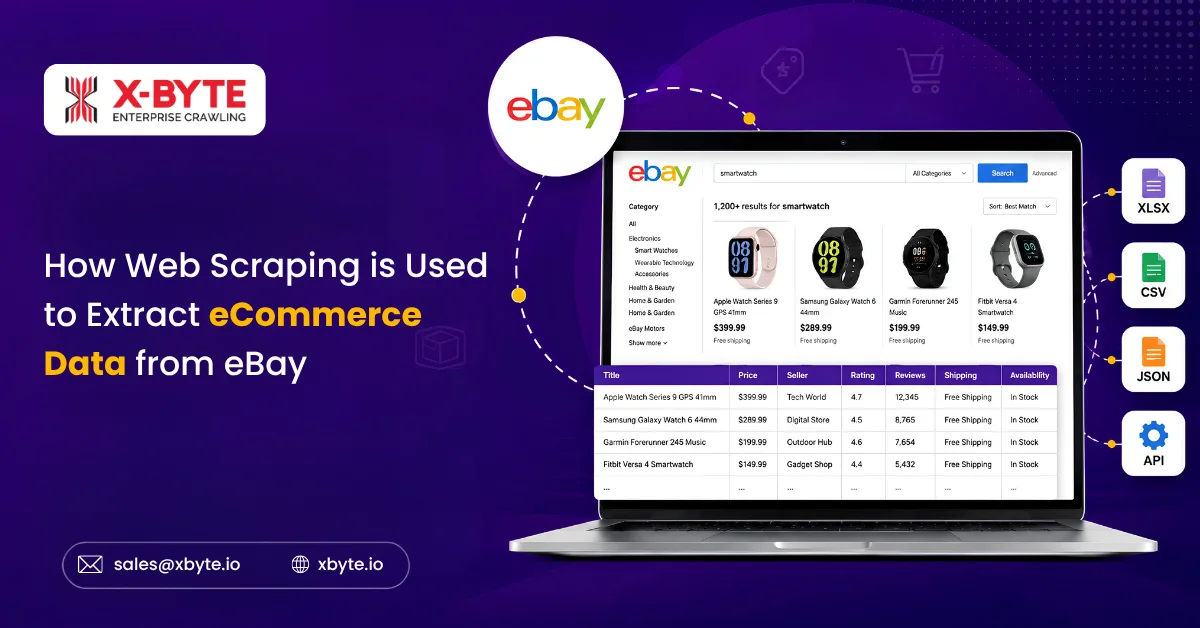
How Web Scraping Is Used to Extract eCommerce Data From eBay