

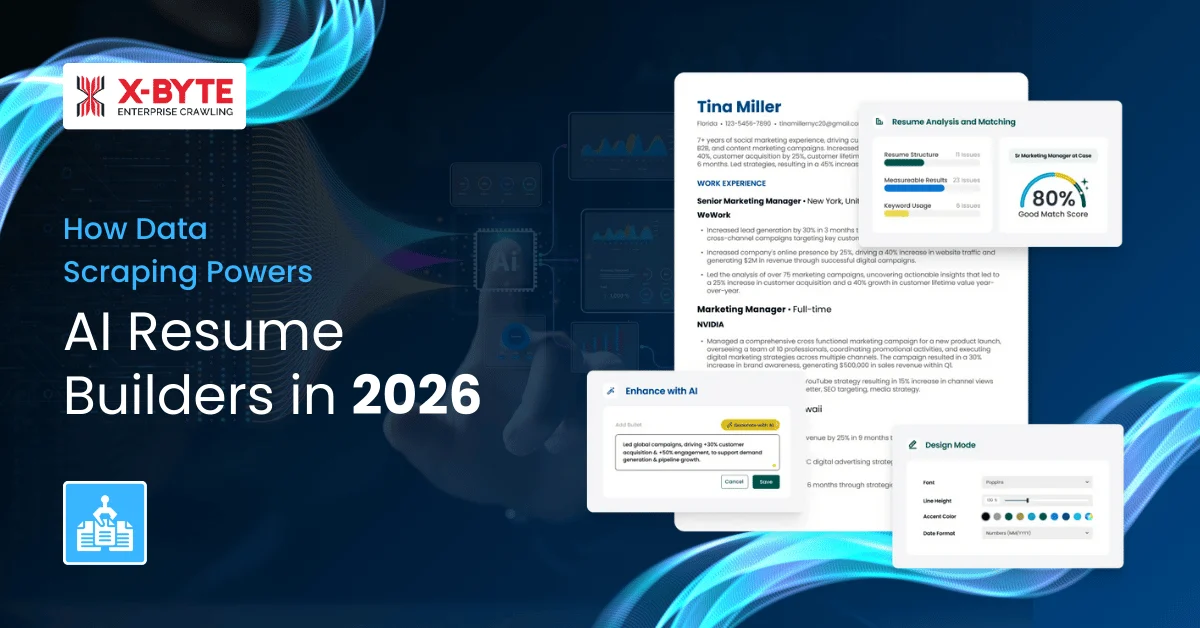
The job market in 2026 is more competitive, automated, and data-driven than ever before. Recruiters rely heavily on Applicant Tracking Systems (ATS), while candidates increasingly turn to AI-powered tools to stand out. At the heart of this transformation is data scraping, a behind-the-scenes technology that enables modern AI resume builders to create highly optimized, ATS friendly resumes tailored to real-world hiring patterns.
This article explores how data scraping works, why it matters, and how it is shaping the future of resume building.
The Evolution of Resume Builders
Traditional resume builders were mostly static tools. They offered templates, formatting suggestions, and generic advice. While helpful, they lacked context. They didn’t understand industry trends, evolving job descriptions, or how ATS software filtered candidates.
Fast forward to 2026: a modern resume builder doesn’t just format your resume, it analyzes job requirements, predicts recruiter expectations, and adapts your content accordingly. This intelligence is largely powered by data scraping.
What Is Data Scraping?
Data scraping is the automated process of collecting information from public web sources at scale. For AI resume builders, this includes:
- Job descriptions from company career pages
- Listings from job boards like LinkedIn, Indeed, and niche platforms
- Skills demand trends across industries
- Resume formats and language that perform well in ATS systems
- Hiring keywords and role-specific terminology
By continuously scraping and updating this data, AI tools stay aligned with real hiring practices, not outdated advice.
Why Data Scraping Is Critical for ATS Friendly Resumes
An ATS friendly resume is not just about clean formatting. It’s about relevance, accuracy, and alignment with how ATS systems parse and rank candidates.
Data scraping helps AI resume builders:
- Identify the exact keywords recruiters are using
- Understand how skills are grouped and prioritized
- Detect changes in job titles and role expectations
- Optimize resumes for both ATS software and human readers
Instead of guessing what recruiters want, candidates benefit from insights pulled directly from live job data.
How AI Resume Builders Use Scraped Data
1. Keyword Optimization Based on Real Jobs
AI resume builders analyze thousands of job listings to extract:
- Common hard skills (tools, technologies, certifications)
- Soft skills recruiters actually mention (not just buzzwords)
- Role-specific action verbs
- Industry-preferred terminology
This ensures resumes include keywords ATS systems are scanning for, increasing the chances of passing initial filters.
2. Role-Specific Resume Customization
Thanks to data scraping, resume builders can tailor resumes for:
- Entry-level vs senior roles
- Industry-specific expectations (tech, healthcare, finance, marketing)
- Geographic hiring trends
- Remote vs on-site positions
Instead of one generic resume, candidates can create multiple, targeted versions that align with how employers are hiring right now.
3. ATS Format Intelligence
Not all ATS systems parse resumes the same way. Some struggle with graphics, columns, or unconventional layouts.
By analyzing scraped resumes and hiring outcomes, AI resume builders learn:
- Which formats perform best across ATS platforms
- Where to place skills, experience, and education
- How to structure bullet points for maximum readability
This results in resumes that are clean, scannable, and truly ATS friendly.
Data Scraping and Resume Scoring
One of the most powerful features of modern resume builders is resume scoring.
Using scraped data, AI tools compare a candidate’s resume against:
- Live job descriptions
- Top-performing resumes in similar roles
- ATS keyword density benchmarks
The result is a clear score and actionable feedback, such as:
- Missing critical skills
- Overused or irrelevant keywords
- Weak phrasing or vague achievements
This transforms resume writing into a measurable, data-backed process.
Keeping Resumes Up to Date in a Fast-Changing Market
Job requirements change rapidly. New tools emerge, certifications gain value, and old skills fade.
Data scraping allows AI resume builders to:
- Continuously refresh skill recommendations
- Flag outdated terminology
- Suggest emerging skills before they become mainstream
In 2026, this real-time adaptability is essential for staying competitive.
Ethical and Responsible Data Use
Reputable AI resume builders only scrape publicly available data and comply with data protection regulations. They do not collect personal or private information.
Responsible platforms focus on:
- Aggregated trends, not individual profiles
- Transparency in how data is used
- Compliance with global privacy standards
This ensures candidates benefit from data-driven insights without compromising privacy.
Benefits for Job Seekers
By leveraging data scraping, AI resume builder help candidates:
- Save time by eliminating guesswork
- Create ATS friendly resumes that reflect real hiring needs
- Improve interview callback rates
- Compete fairly in automated hiring systems
- Customize resumes quickly for multiple roles
For fresh graduates, career switchers, and experienced professionals alike, this levels the playing field.
The Future of Resume Builders Beyond 2026
As AI advances further, data scraping will power even more sophisticated features, including:
- Predictive hiring insights
- Resume personalization based on recruiter behavior
- Industry-specific resume benchmarking
- Integration with AI interview prep and career planning tools
The resume builder will evolve from a writing tool into a full career intelligence platform.
Final Thoughts
In 2026, writing a resume is no longer just about good formatting or strong language. It’s about data alignment.
Data scraping enables AI resume builders to understand how employers actually hire and how ATS systems actually work. This results in resumes that are not only polished but strategically optimized.
 ✯ Alpesh Khunt ✯

Related Blogs
The Role of Data Annotation in Large Language Model Training and Performance
How Web Scraping Is Used to Extract eCommerce Data From eBay