

Small e-commerce businesses face a constant challenge: how do you compete with retail giants that have unlimited resources? The answer lies in smart technology. AI-powered data scraping helps small e-commerce brands level the playing field by automating data collection, uncovering market insights, and optimizing operations.
This technology enables businesses to make data-driven decisions without hiring large teams or spending massive budgets.
In 2025, businesses that leverage AI for data collection will grow 3x faster than those relying on manual methods. Moreover, 67% of successful e-commerce brands now use automated data scraping to monitor competitors and adjust their strategies in real-time.
This article explores how small e-commerce brands can scale efficiently using AI-powered data scraping solutions.
Why Is Data Scraping Critical for E-commerce Growth?
Data scraping extracts publicly available information from websites automatically. For e-commerce businesses, this means collecting competitor prices, product descriptions, customer reviews, and market trends without manual effort.
Small e-commerce brands need this capability to survive. Without real-time data feeds, businesses make decisions based on guesswork. Consequently, they lose sales to competitors who react faster to market changes. Data scraping solves this problem by providing instant access to actionable insights.
The technology works by sending automated requests to websites and extracting specific data points. AI enhances this process by identifying patterns, cleaning data automatically, and adapting to website changes. Therefore, businesses get accurate information consistently.
Furthermore, data-driven companies are 23 times more likely to acquire customers and 6 times more likely to retain them, according to McKinsey research. This competitive advantage becomes crucial for small brands trying to establish market presence.
How Does AI-Powered Data Scraping Optimize E-commerce Operations?
AI-powered scraping tools transform raw data into strategic advantages across multiple business functions. Let’s examine the specific applications.
Dynamic Pricing Strategies
Pricing determines profitability in e-commerce. However, manual price monitoring across dozens or hundreds of competitors is impossible. AI-powered scraping tools monitor competitor prices continuously and alert businesses when changes occur.
For example, a small electronics retailer can track prices for 500 products across 20 competitor websites simultaneously. When a competitor drops their price on a popular item, the system sends an instant alert. The retailer then adjusts their pricing strategy within minutes instead of days.
Additionally, AI analyzes historical pricing data to identify optimal price points. The technology considers factors like demand fluctuations, seasonal trends, and competitor behavior. This intelligent analysis helps businesses maximize profit margins while remaining competitive.
Inventory Management and Demand Forecasting
Stock management makes or breaks e-commerce profitability. Overstocking ties up capital, while understocking leads to lost sales. AI-powered data scraping addresses both issues.
The technology monitors stock levels across competitor websites and marketplaces. When popular items go out of stock at competitor stores, your business can capitalize by ensuring availability. Meanwhile, analyzing stock patterns helps predict which products will see increased demand.
AI algorithms process this scraped data alongside your historical sales information. The result is accurate demand forecasting that reduces inventory costs by 20-50% on average. Small brands benefit enormously from these savings.
Competitive Intelligence Gathering
Understanding competitor strategies drives business success. AI-powered scraping tools collect comprehensive data about competitor activities, including:
- Product launches and discontinuations
- Promotional campaigns and discount patterns
- Customer review sentiment and common complaints
- Shipping policies and delivery times
- Product description strategies and keyword usage
This intelligence reveals market gaps and opportunities. For instance, if customer reviews consistently mention that competitors’ products lack a specific feature, you can highlight that feature in your offerings.
Product Research and Trend Analysis
Identifying trending products early creates massive advantages. AI-powered scraping tools monitor marketplaces, social media mentions, and retail websites to spot emerging trends.
The technology tracks metrics like search volume increases, review velocity, and stock depletion rates. When multiple signals indicate rising demand for a product category, businesses can stock relevant items before competitors catch on.
Similarly, scraping tools identify declining trends, preventing businesses from investing in products losing market appeal.
What Are the Key Benefits of AI-Powered Data Scraping for Small E-commerce Brands?
Increased Operational Efficiency
Manual data collection consumes countless hours. An employee might spend 20 hours weekly gathering competitor prices and market data. AI-powered scraping completes the same task in minutes, freeing your team for strategic work.
Additionally, automation eliminates human errors in data collection. The consistency ensures reliable decision-making foundations. Real-time data collection means your business always operates with current information.
Competitive Advantage Through Market Insights
Knowledge is power in e-commerce. Small brands using AI-powered scraping gain insights previously available only to large corporations with dedicated research teams.
These insights include understanding seasonal demand patterns, identifying underserved market segments, and detecting competitor weaknesses. Armed with this knowledge, small businesses compete effectively against larger rivals.
Enhanced Customer Experience and Sales Growth
Data scraping enables personalization at scale. By analyzing customer reviews and feedback across multiple platforms, businesses understand what customers truly want.
For example, scraping product reviews reveals common pain points. Addressing these issues in your product descriptions and customer service immediately improves conversion rates. Furthermore, understanding customer language helps optimize product listings for search engines. To handle the volume of data collection required, many companies partner with a virtual assistant Philippines specialist through services like Wing Assistant, allowing sales teams to focus on revenue-generating activities rather than research tasks.
Businesses implementing AI-powered data strategies report average sales increases of 15-30% within the first year. The combination of better pricing, improved inventory management, and enhanced customer understanding drives this growth.
Cost Reduction and Resource Optimization
Small e-commerce brands operate on tight budgets. AI-powered scraping delivers enterprise-level insights at a fraction of traditional market research costs. A comprehensive scraping solution costs $200-$2000 monthly, while hiring market research firms costs thousands per project.
Moreover, the technology scales effortlessly. Whether you monitor 10 competitors or 100, the cost increase is minimal. This scalability proves essential as your business grows.
How Do You Choose the Right AI-Powered Scraping Tools for Your Brand?
Selecting appropriate tools requires understanding your specific needs and technical capabilities.
Key Features to Consider
- Ease of Use: Look for tools with intuitive interfaces that don’t require coding knowledge. Many modern solutions offer visual scraping builders where you point and click to select data elements.
- Reliability and Accuracy: The tool must handle website changes automatically. AI-powered solutions adapt when websites update their structure, maintaining consistent data collection.
- Data Quality and Cleaning: Raw scraped data often contains inconsistencies. Quality tools include AI-powered data cleaning that removes duplicates, standardizes formats, and validates accuracy.
- Integration Capabilities: Your scraping solution should integrate with existing systems like inventory management software, pricing tools, and analytics platforms. Seamless integration maximizes value.
- Compliance and Legal Features: Choose tools that respect robots.txt files and include rate limiting to avoid overloading target websites. Reputable providers ensure their technology complies with data protection regulations.
Top Tool Categories for Small Businesses
- No-Code Scraping Platforms: These visual tools require no programming knowledge. Users simply navigate to target websites and select desired data elements. The platform generates scraping workflows automatically.
- API-Based Solutions: For businesses with technical resources, API-based tools offer maximum flexibility. They enable custom scraping workflows tailored to specific business needs.
- All-in-One E-commerce Intelligence Platforms: These solutions combine scraping with analytics and competitive intelligence dashboards. They provide actionable insights beyond raw data collection.
Implementation Best Practices
Start small when implementing AI-powered scraping. Begin by monitoring your top 5 competitors and most critical products. As you develop expertise, expand your scraping scope gradually.
Test data accuracy regularly. Compare scraped data against manual checks for the first few weeks. This validation ensures your business decisions rest on reliable information.
Document your data sources and scraping methodologies. This documentation proves valuable for compliance audits and helps train new team members.
Legal and Ethical Considerations for E-commerce Data Scraping
Understanding legal boundaries ensures sustainable business practices.
What Makes Data Scraping Legal?
Data scraping is legal when you collect publicly available information and comply with relevant regulations. Courts have consistently ruled that scraping public data doesn’t violate copyright or computer fraud laws.
However, several important conditions apply. First, only scrape publicly accessible data. Never bypass authentication systems or scrape password-protected content. Second, respect website terms of service and robots.txt files. Third, implement reasonable rate limiting to avoid disrupting target websites.
Compliance with Data Protection Regulations
GDPR and similar regulations require careful handling of personal data. When scraping e-commerce sites, focus on product and pricing information rather than customer personal data.
If your scraping inadvertently collects personal information, delete it immediately. Implement data minimization principles—only collect data necessary for your business purposes.
Ethical Scraping Practices
Ethical scraping respects both legal requirements and broader community standards. Use scraped data to improve your own offerings, not to harm competitors. Avoid overwhelming small websites with excessive requests that could impact their performance.
Transparency matters too. While you don’t need to announce your scraping activities, be prepared to explain your data sources if asked.
Taking Action: Implementing AI-Powered Data Scraping in Your Business
Small e-commerce brands that embrace AI-powered data scraping gain sustainable competitive advantages. The technology provides enterprise-level market intelligence at accessible prices, enabling informed decision-making across pricing, inventory, and product strategy.
Start by identifying your most critical data needs. Do you need competitive pricing intelligence? Product trend analysis? Customer sentiment monitoring? Prioritize one or two use cases initially.
Next, research tools that address your specific requirements. Many providers offer free trials—test multiple solutions before committing. Evaluate based on ease of use, data quality, and integration capabilities.
Finally, develop processes for acting on scraped data. Data without action provides no value. Create workflows where pricing insights trigger pricing reviews, or inventory data informs purchasing decisions.
The e-commerce landscape grows increasingly competitive daily. Therefore, businesses that leverage AI-powered data scraping position themselves for sustainable growth. The technology democratizes market intelligence, enabling small brands to compete effectively against established players.
Ready to scale your e-commerce operations with AI-powered insights? Explore X-Byte’s comprehensive data scraping solutions designed specifically for growing e-commerce brands.
Frequently Asked Questions
 ✯ Alpesh Khunt ✯

Related Blogs
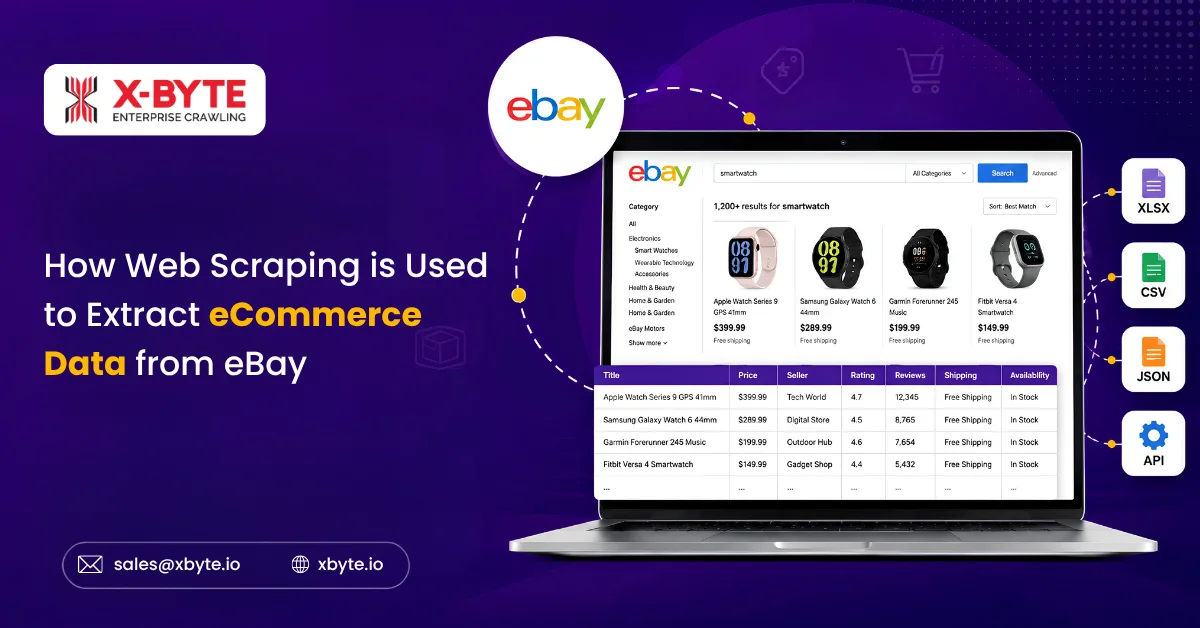
How Web Scraping Is Used to Extract eCommerce Data From eBay
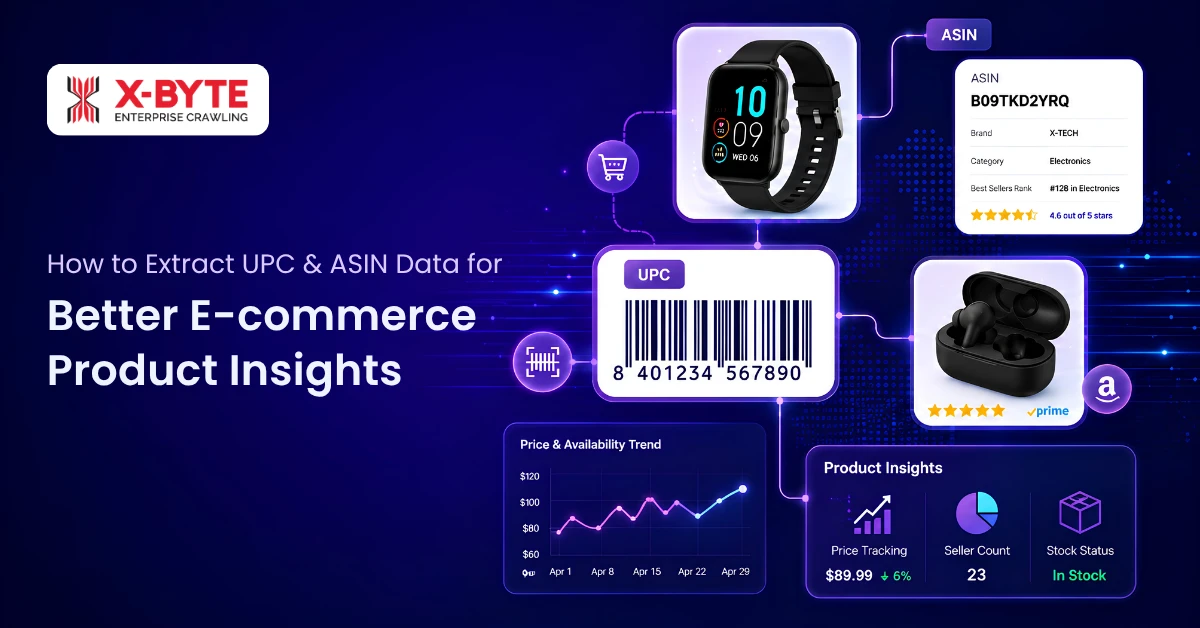
How to Extract UPC & ASIN Data for Better E-commerce Product Insights