


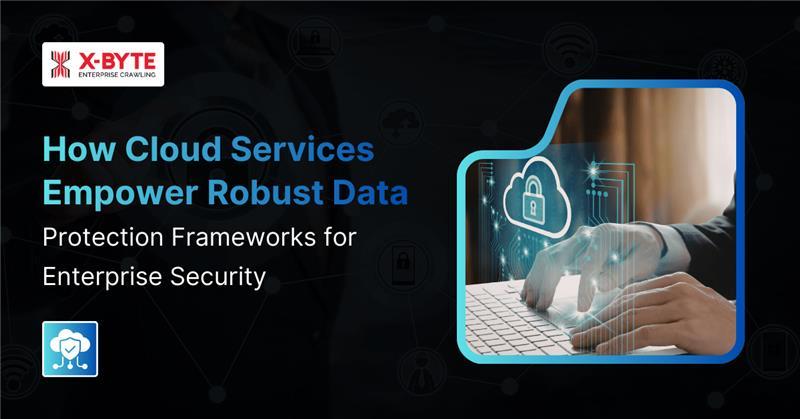
These days, cloud services are doing the major tasks when it comes to data protection frameworks. They’re helping businesses stay compliant and secure, even as threats get more sophisticated.
Keeping sensitive data safe is becoming difficult for modern organizations. Remote work has changed everything, and with online services growing so fast, data breaches are becoming more common. Companies can’t just sit back anymore. They need to get serious about new technologies that’ll protect their information and keep them on the right side of regulations.
The Role Cloud Services Play in Protecting Your Data
Here’s the thing about cloud services – they’ve pretty much become non-negotiable for businesses that want solid data protection. You get flexibility and scalability all rolled into one package. Whether it’s backing up data, recovering from disasters, or storing things securely, cloud services have you covered. The big win? Your data stays protected from loss, theft, and damage. For a deeper dive, check out Cloud Services and Security for Stronger Data Protection to see how this all works in practice.
What really makes cloud solutions stand out is how they let you manage data across different locations. You can keep an eye on security from anywhere and jump on threats the moment they pop up. This is huge for companies with remote workers or offices spread across multiple cities.
How Cloud Infrastructure and Security Measures Keep You Safe?
Cloud providers don’t mess around when it comes to security. They’re constantly putting money into the latest tools and best practices – we’re talking encryption, two-factor authentication, real-time monitoring, the whole nine yards. These aren’t just buzzwords. They actually make sure only the right people can access your data and catch problems before they blow up.
Even NIST (the National Institute of Standards and Technology) says cloud security controls are critical for protecting sensitive stuff. You can read more about their take at NIST if you want the technical details.
But here’s what I really like – cloud providers keep updating their systems to stay ahead of hackers. Your business gets all those cutting-edge security features without your IT team having to manage every single piece. And let’s be honest, with how fast cyber threats change, those regular updates and patches aren’t just nice to have. They’re essential for keeping vulnerabilities in check.
Meeting Compliance and Regulatory Requirements
GDPR, HIPAA – these aren’t just acronyms. They’re serious regulations that mean organizations have to protect customer information no matter what. Cloud services actually make this easier by giving you compliance tools and running regular audits. So when you need to prove you’re taking data privacy seriously (and trust me, you will), you’ve got the documentation to back it up.
The U.S. Department of Health & Human Services has some really helpful guidance on cloud compliance for health data over at hhs.gov. Worth a look if you’re in healthcare.
Most cloud platforms also come with pretty detailed reporting features. You can see exactly who accessed what data and when. That kind of transparency isn’t just helpful – it’s critical when auditors come knocking or you need to investigate something.
Disaster Recovery and Business Continuity
Nobody wants to think about disasters, but they happen. Cyberattacks, natural disasters, system failures – when something goes wrong, cloud-based backup and disaster recovery systems are your safety net. They get your data back up and running fast, which means less downtime and less damage to your business.
FEMA talks a lot about why disaster recovery planning matters, and cloud solutions make the whole process way more manageable. There’s more info at ready gov it-disaster-recovery if you want to explore that angle.
The beauty of cloud disaster recovery is the automation. Your backups happen automatically – no one has to remember to do them. Plus, you can test your recovery processes regularly so you’re not scrambling when an actual emergency hits.
Scalability and Flexibility in Data Protection
Business needs change. Sometimes you’re growing like crazy, sometimes you’re dealing with seasonal rushes (think retail during the holidays). Cloud services roll with those punches. You can scale up or down without draining your budget or tying up resources you need elsewhere.
This flexibility means you can handle bigger, more complex datasets without dropping a fortune upfront. Take that retailer example – they can boost storage and security when Black Friday hits, then dial it back down in January. The pay-as-you-go model keeps costs under control and puts resources where they’ll actually do some good.
Centralized Control and Visibility
Cloud platforms give you one place to watch over your entire data protection setup. Track access, set policies, respond to threats – all in real time. When you’re trying to protect sensitive data across a growing organization, that kind of centralized view is gold.
IT teams can spot weird activity right away and deal with it before it becomes a problem. Plus, centralized management makes it way simpler to update security policies and keep everyone on the same page. No more confusion, no more inconsistencies. For best practices on cloud security management, the Cloud Security Alliance has a Cloud Controls Matrix worth checking out at cloudsecurityalliance.
Cost Savings and Resource Optimization
Let’s talk about money. Traditional data centers? Expensive. You’re looking at massive upfront costs for hardware, software, and people who know how to run it all. That’s a tough pill to swallow for any organization.
Cloud services flip that model. You pay a subscription or pay for what you use. No giant capital expenditure eating into your budget. And because the cloud provider handles the infrastructure headaches, your IT team can focus on projects that actually move the business forward instead of just keeping the lights on.
This is smart resource allocation. You get to put your effort and money into things that matter instead of maintaining server rooms.
The Future of Cloud Data Protection
AI and machine learning are going to change the game for threat detection and response. We’re already seeing it happen – faster, more accurate security that catches things humans might miss. And privacy-enhancing technologies like confidential computing and zero-trust architectures are gaining serious traction.
These developments will give businesses even more control over sensitive information. If you want to stay competitive in data protection, keeping up with these trends isn’t optional.
Conclusion
Cloud services have genuinely transformed how we think about data protection frameworks. They deliver solid security, help with compliance, and keep businesses running when things go sideways. As everything becomes more digital, that reliance on cloud services for data safety is only going to grow.
Frequently Asked Questions
 ✯ Alpesh Khunt ✯

Related Blogs
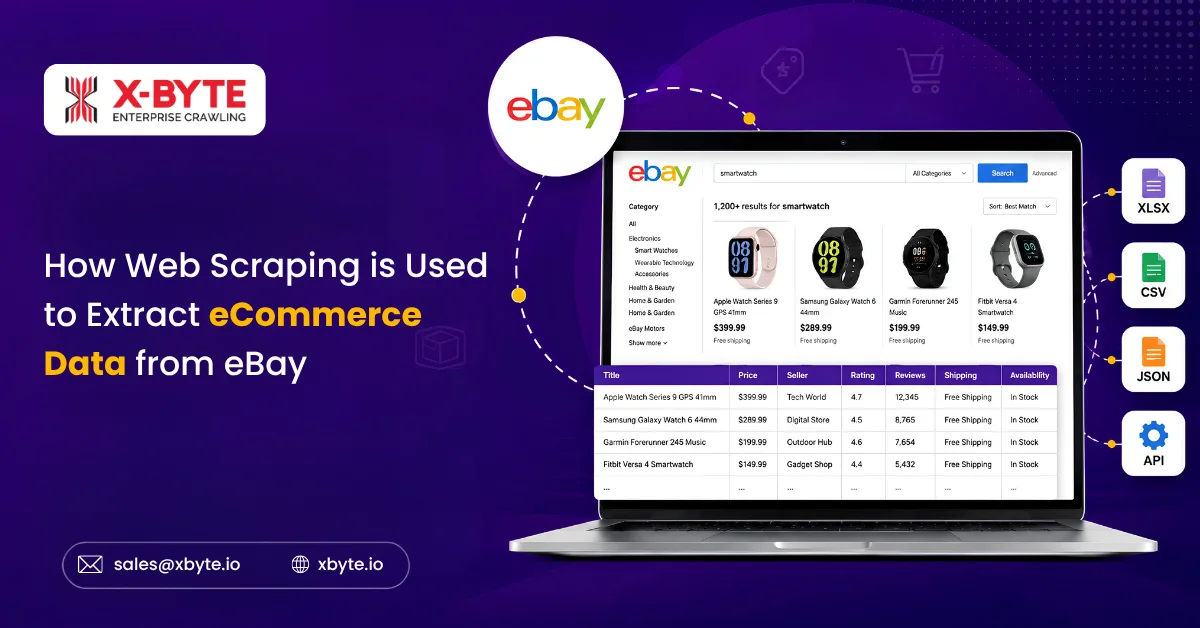
How Web Scraping Is Used to Extract eCommerce Data From eBay
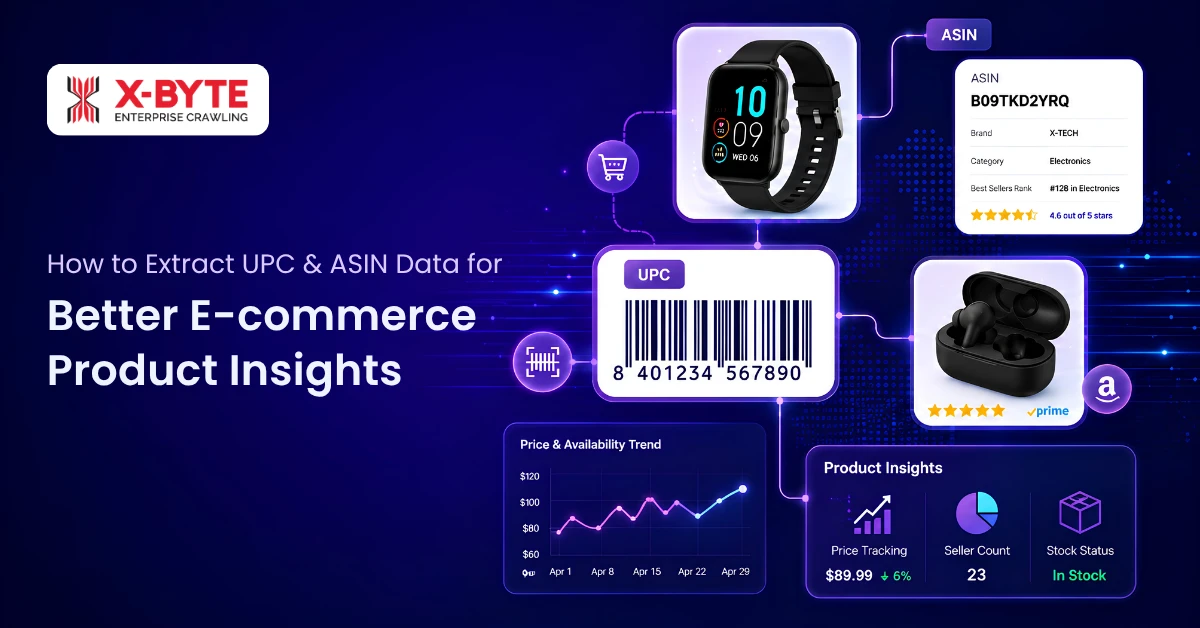
How to Extract UPC & ASIN Data for Better E-commerce Product Insights