
E-Commerce Product Data Management: Best Practices for Retailers
For online retailers, accurate product information is more than a catalog requirement; it directly affects search visibility, conversions, customer trust,


For online retailers, accurate product information is more than a catalog requirement; it directly affects search visibility, conversions, customer trust,

Introduction: Singapore’s E-Commerce Market Is a Pricing War Selling online in Singapore today means competing on Shopee, Lazada, and TikTok
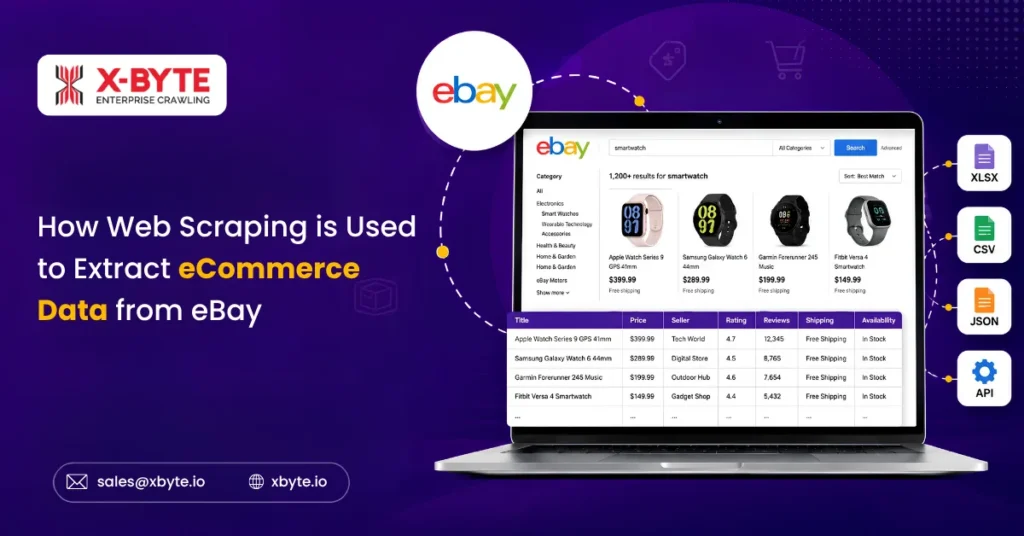
E-commerce marketplaces generate enormous amounts of product, pricing, seller, review, and availability data every day. For brands, retailers, marketplace sellers,
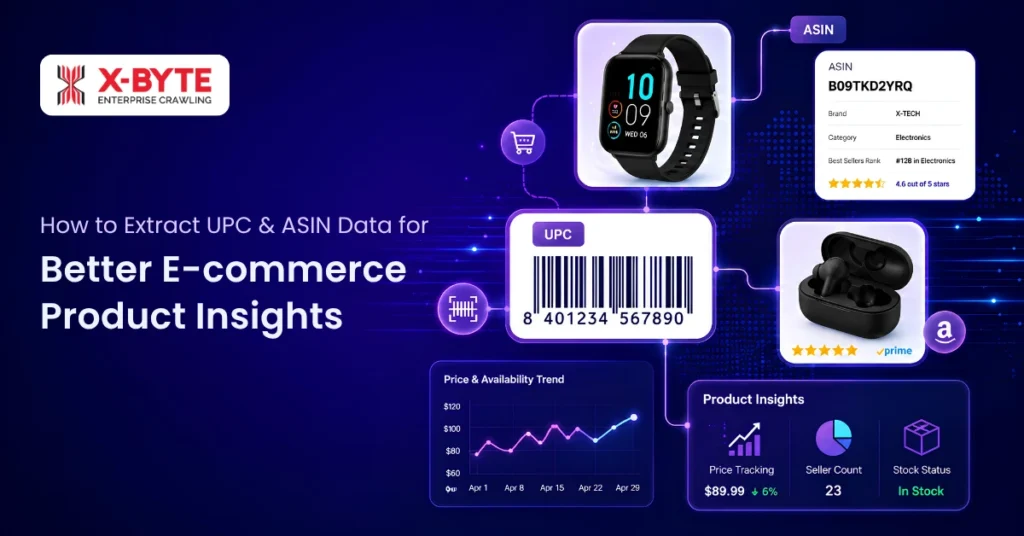
In the competitive eCommerce landscape, accurate product identification is essential for managing catalogs, monitoring competitors, and making data-driven business decisions.
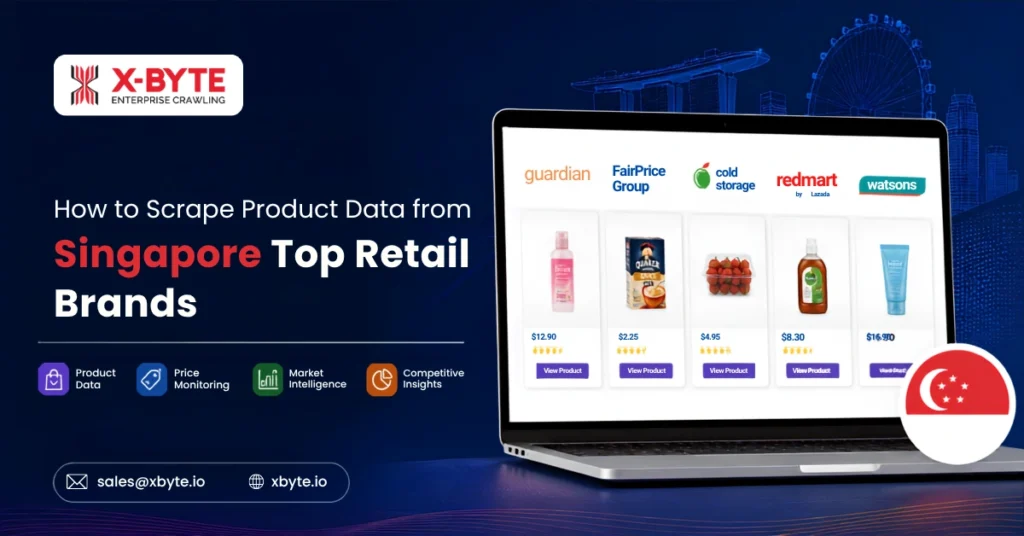
Singapore’s retail market is highly competitive, with global and local brands continuously changing product prices, promotions, availability, and customer offerings.
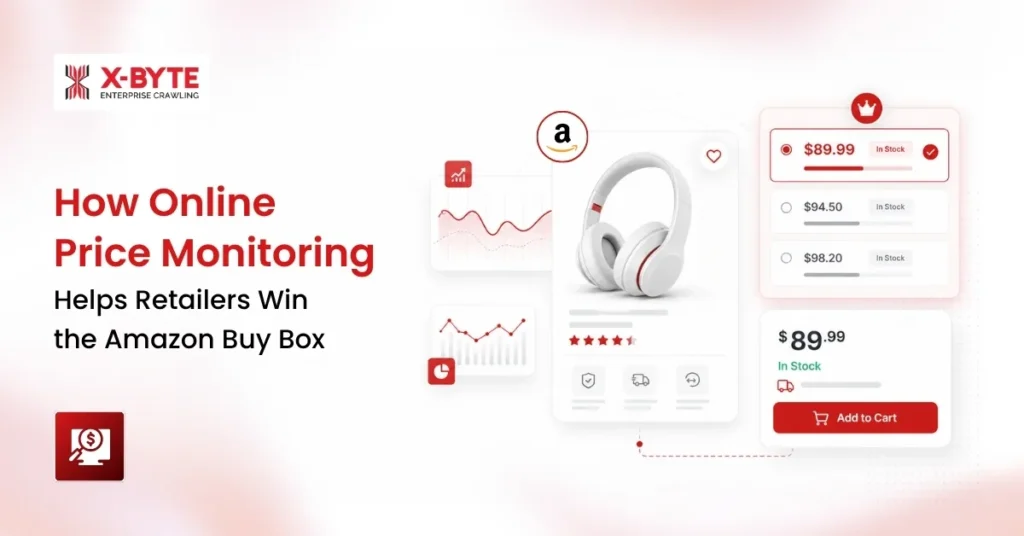
Competition on online marketplaces can change quickly. A competitor may lower a product’s price, introduce a promotion, or change availability,

In today’s eCommerce market, prices can change within minutes. Retailers launch flash sales, limited-time discounts, and promotional campaigns without warning,
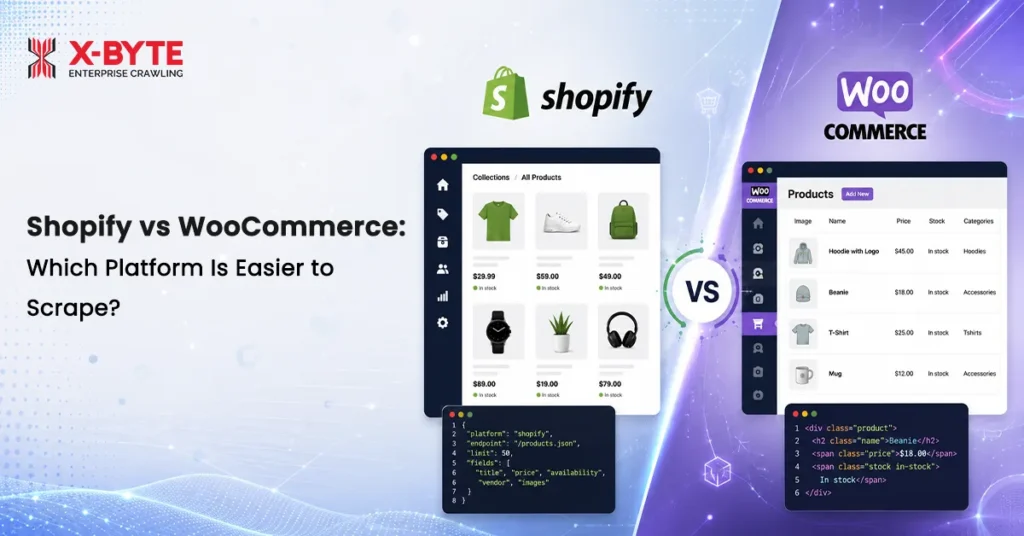
For businesses that rely on ecommerce data for price monitoring, competitor analysis, or market research, choosing the right scraping strategy

You order a carton of milk, set your phone down, and before the coffee finishes brewing, there is a knock

Introduction Global e-commerce sales are expected to approach $6.88 trillion in 2026, making online retail more competitive than ever. In